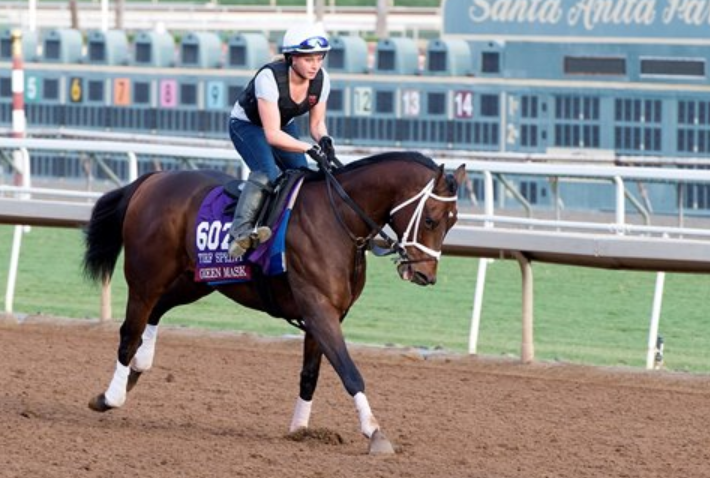
Equine conformation significantly influences a horse’s overall health and performance. Proper alignment of bones, muscles, and joints enhances biomechanics, reducing the risk of injuries. Common conformation issues can lead to imbalances, increasing stress on specific areas. Understanding these principles is essential for horse owners and trainers. The implications of conformation extend beyond injury prevention, affecting performance and longevity in the sport. Exploring these connections reveals critical insights into equine well-being.
Understanding Equine Conformation
Equine conformation refers to the physical structure and arrangement of a horse’s body, which plays a crucial role in its overall performance and health.
Various conformation types exist, each aligned with specific breed standards that dictate ideal physical traits.
These standards ensure that horses are bred for their intended purposes, promoting optimal biomechanics and reducing the risk of injury during athletic endeavors.
See also: How Competition Levels Shape Race Outcomes
Common Conformation Issues and Their Impact
Conformation issues can significantly influence a horse’s soundness and performance capabilities.
Common flaws, such as sickle hocks or over at the knee, create structural weaknesses that can lead to chronic pain or injury.
These imperfections may compromise balance, agility, and overall athleticism, ultimately affecting the horse’s ability to perform optimally and maintain a healthy, active lifestyle.
Understanding these flaws is crucial for prevention.
The Role of Conformation in Performance
While various factors contribute to a horse’s performance capabilities, the alignment and structure of its body play a pivotal role.
Conformation evaluation directly impacts performance metrics, influencing speed, agility, and endurance. Horses with optimal conformation exhibit improved biomechanics, reducing the risk of injury while enhancing their overall effectiveness in competitive scenarios.
Thus, understanding conformation is essential for maximizing performance potential in equine athletes.
Assessing and Improving Your Horse’s Conformation
Assessing a horse’s conformation requires a systematic approach that considers various anatomical features and their implications for performance and injury prevention.
A thorough conformation assessment identifies strengths and weaknesses, guiding targeted conformation improvement strategies. This process often includes evaluating limb alignment, body symmetry, and overall balance, ultimately enhancing the horse’s physical capabilities and reducing the likelihood of injuries during training and competition.
Conclusion
In conclusion, optimal equine conformation serves as the cornerstone of a horse’s physical health and performance, akin to a well-crafted foundation supporting a grand structure. By understanding and addressing conformation issues, horse owners can mitigate the risks of injury and enhance their horse’s capabilities. Regular assessments and targeted interventions not only refine a horse’s alignment but also foster longevity and athleticism, ultimately ensuring that these magnificent animals thrive in their endeavors.